
Chat Is the Signal. Your Best Ad Units Are Already Built.
The conversation around AI in retail keeps circling the same question: how do you monetize the chatbox? It's the wrong question.
The chatbox is where signals form intent. The page is where it gets monetized. And here's what most retailers are missing: the high-impact creative formats you've spent years building, like brand takeovers, sponsored shelves, and premium product placements, don't need to be reinvented for AI. They need to be activated by it.
This isn't a big lift. It's a rewiring of the trigger.
You Already Have the Inventory. You're Just Not Connecting It to the Signal.
Retail media teams have built sophisticated ad infrastructure. Branded shelf units. Category takeovers. Sponsored product grids. Native display formats that perform. They're proven, high-value surfaces that brands already pay a premium for.
The problem isn't the inventory. It's that today, those units get triggered by browse behavior and keyword searches. A user clicks into laptops. A brand shelf activates. A user searches "chicken dinner." Sponsored ingredients appear.
Conversational AI doesn't eliminate that logic. It sharpens it.
When a user tells the chatbox exactly what they need, budget, brand preference, use case, constraints, that's a richer signal than any click or keyword. The same brand shelf, the same takeover unit, the same sponsored grid can now activate with far more precision than before. The creative doesn't need to change. The trigger does.
The Chatbox Is Small by Design. That's the Point.
Conversational UI has real constraints: limited space, sequential interaction, high user expectations around clarity. There's monetizable inventory inside the chatbox: sponsored responses, clearly labeled paid placements, contextually relevant brand moments. And retailers are seeing success with these formats today.
But the surface area is intentionally small. Cramming more into the conversation degrades the experience that makes it valuable in the first place. Space inside the box will be at a very high premium, without (yet) knowing how far the user is down the decision making process.
Scale doesn't come from expanding what's inside the box. It comes from what the box unlocks around it.
When a user engages with chat, the rest of the page doesn't have to stay static. It can respond — dynamically, in real time, using the same formats and creative assets already in your system.
Three Signals, Three Surfaces You Already Own
The intent coming out of conversational AI maps cleanly onto ad formats retailers already run. Here's how it could play out:
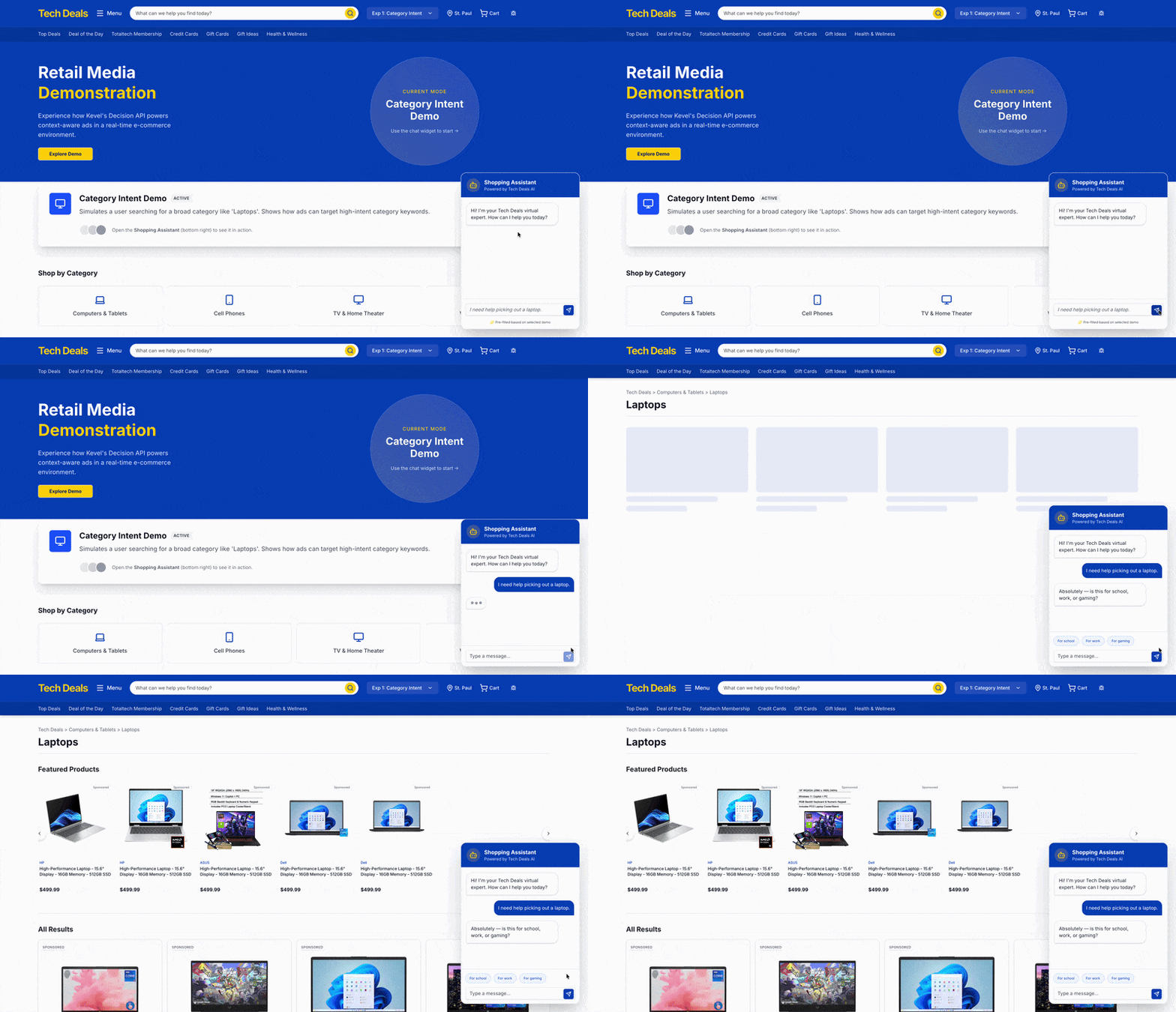
Category Intent: "I need help picking out a laptop."
The AI narrows the decision inside the chat. Outside it, your existing category sponsorship unit activates, a Featured Brands shelf, already built, now triggered by declared intent rather than a category page visit. The brands competing in that auction haven't changed. The moment they're competing for is just worth more.
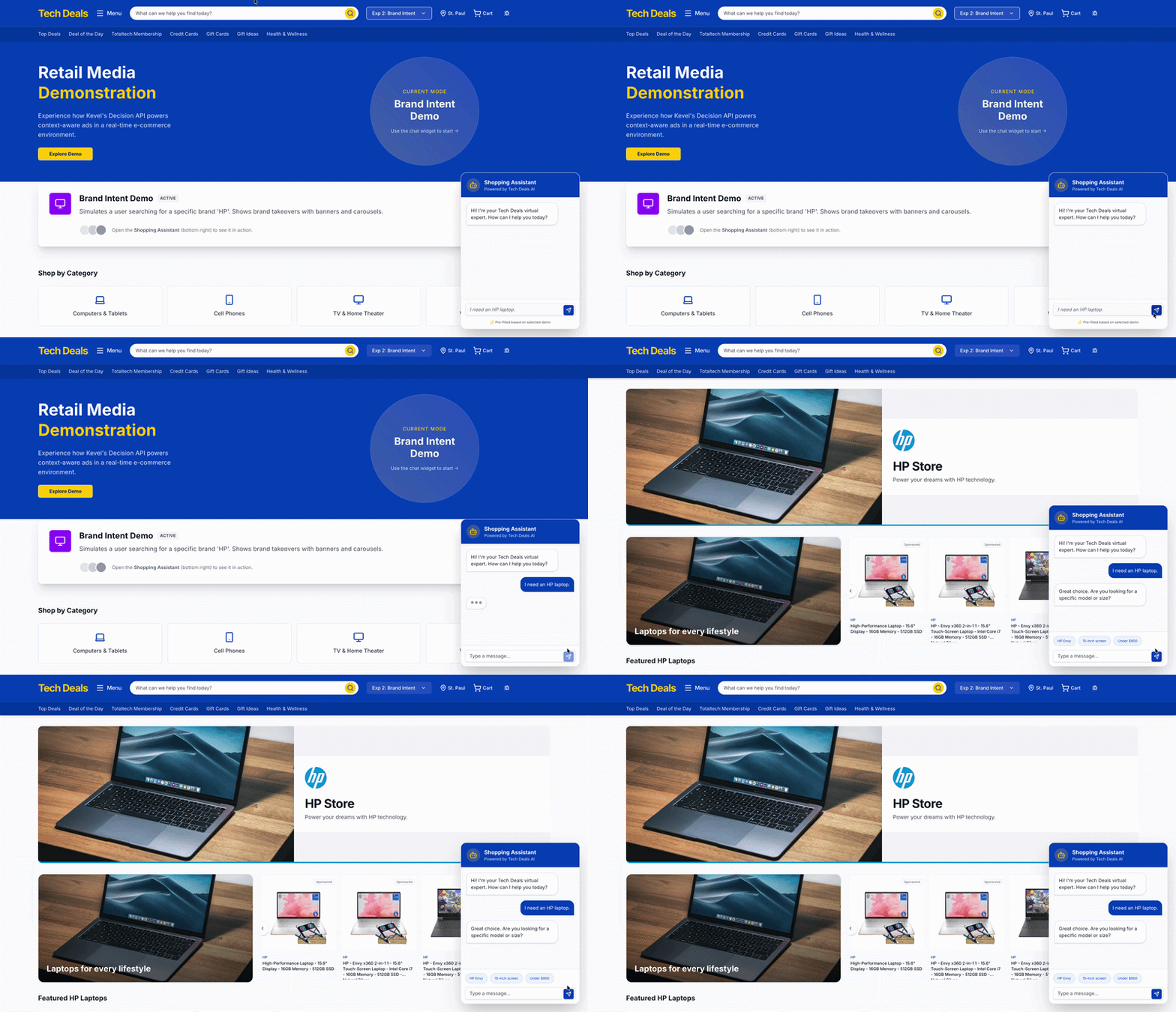
Brand Intent: "I need an HP laptop."
The AI confirms and refines. Outside the chat, your brand page takeover format activates, the same unit HP already buys for high-visibility moments, now triggered by a user who just told you exactly what they want. No new creative required. Just a smarter moment to serve it.
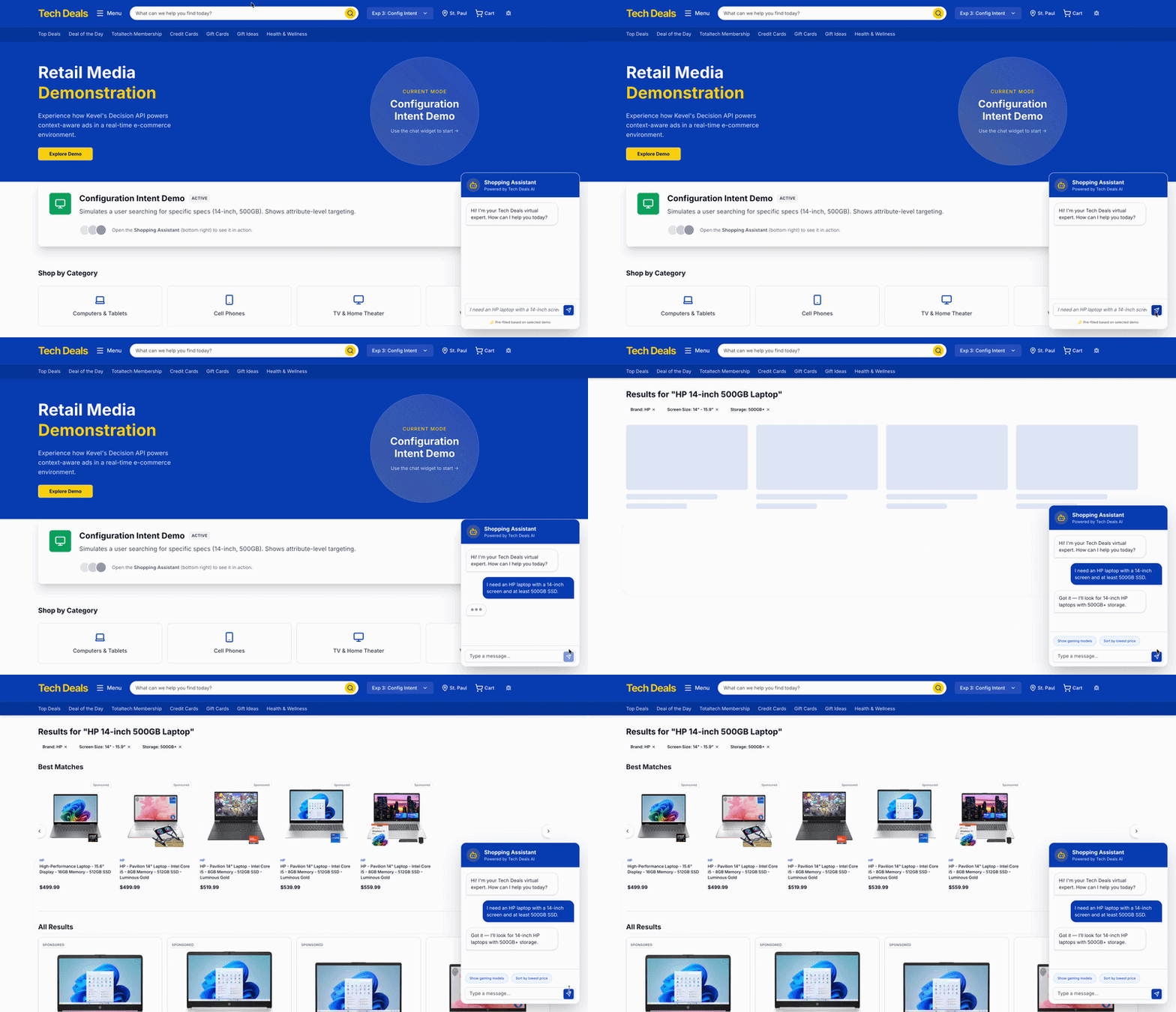
Attribute Intent: "I need an HP laptop, 14-inch screen, at least 500GB SSD."
The AI confirms the specs. Outside the chat, your sponsored product grid assembles dynamically around those exact attributes. Brands compete for placement within a highly refined context, the same auction logic, the same ad unit, now running against the most precise signal you've ever had.
In every case, the pattern is the same: the chatbox handles the guidance, your existing ad infrastructure handles the economics.
This Is a Trigger Problem, Not a Creative Problem
The instinct when AI enters the picture is to build something new. New ad formats. New creative specs. New placements designed specifically for the conversation. That instinct leads to lengthy timelines, brand negotiations, and incremental inventory that can not yet scale.
The better frame: conversational AI is a new input into systems you already control.
Your ad server. Your auction logic. Your modular page components. These are already built to respond to signals — browse data, search queries, category visits. Adding conversational intent as a new signal type is an infrastructure question, not a creative overhaul.
The retailers who move fastest won't be the ones who redesign their ad products. They'll be the ones who connect their existing ad products to a richer signal source.
The Moment Is New. The Inventory Isn't.
The chatbox creates something genuinely new: structured, declared, real-time intent at the start of a shopping journey. That's valuable. But its value isn't realized inside the conversation, it's realized across every high-impact surface surrounding it.
Your brand takeovers. Your sponsored shelves. Your premium placements. They're already there. They're already sold. They already perform.
Chat doesn't ask you to replace them. It asks you to point them at a better moment.
The retailers who win this next phase won't be the ones who figured out how to monetize a chatbox. They'll be the ones who realized the chatbox was pointing at inventory they already had.
The question isn’t how to monetize a chatbox. It’s how to connect a better signal to the inventory you already own.
If that’s a conversation worth having, let's talk.
And if you want to build it with us, we’re hiring.